Can a brand change without losing itself?
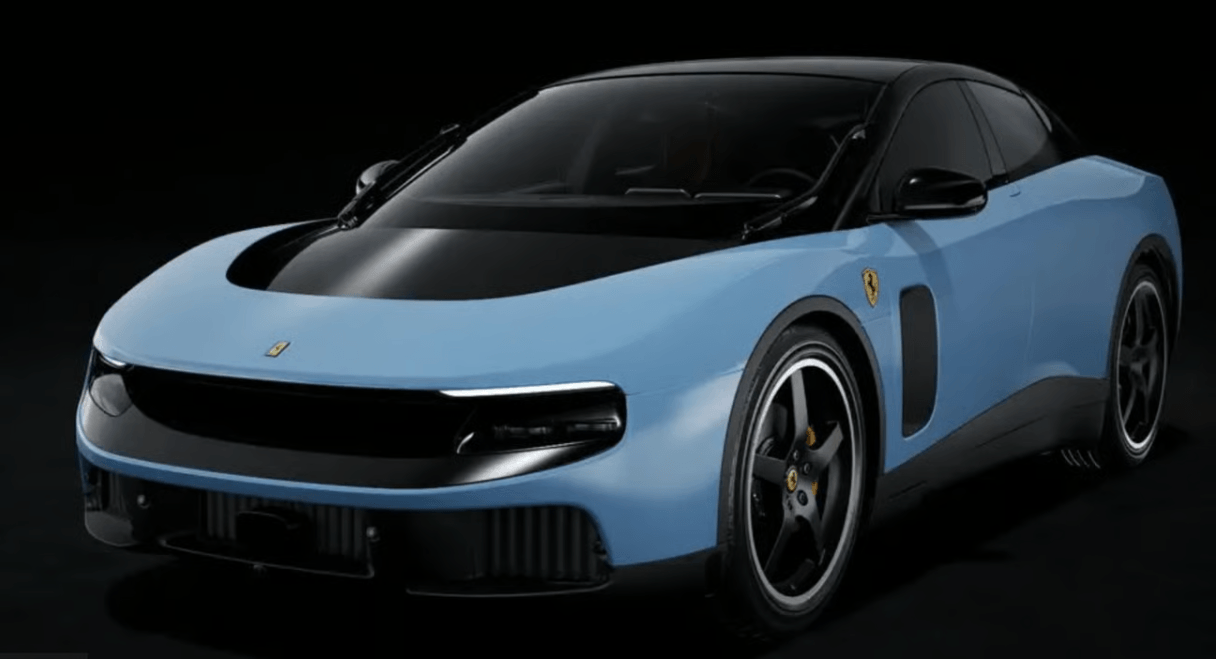
Ferrari recently unveiled its first fully electric vehicle, the Luce, and on paper it should have been a massive success.
The project involved two of the world’s most celebrated designers.
Sir Jony Ive is the designer behind many of Apple’s most iconic products and Marc Newson is one of the world’s leading industrial designers, known for his work across aviation, furniture and luxury brands.
The technology is impressive, the engineering is advanced, Ferrari’s ambition is clear, yet much of the reaction focused on something else entirely.
Many commentators, enthusiasts and Ferrari owners looked at the car and asked a simple question:
“Is it still a Ferrari?”
That’s fascinating, because it reveals something important about the relationship between products and brands.
Ferrari didn’t just launch a car, it challenged people’s idea of what a Ferrari should be.
For decades, Ferrari has stood for far more than transport. The shape, the racing heritage, the drama, the sound, the sense of occasion. Whether you’ve owned one or only ever admired one from a distance, those things are part of what makes a Ferrari feel like a Ferrari.
People don’t just buy products. They buy into what those products represent.
That’s why the reaction to the Luce is so interesting.
The criticism isn’t really about battery technology, performance figures or design details. It’s about whether the new car still captures the qualities people have come to associate with the brand.
Every successful brand evolves. The difficult part is knowing which parts of the story should evolve with it and which parts are worth protecting.
The strongest brands seem to understand that distinction. They don’t stay the same. But they carry forward the things that made people care in the first place.
Perhaps that’s the real challenge facing Ferrari…
Not whether it can build a successful electric car, but whether it can build one that still feels unmistakably Ferrari.